[expérience]
Enter your email address to sign up or log in. A 6-digit code will be sent to you to activate your access. No password is required.
There is no single appliance that is right for every home. The right choice depends on several factors: how you plan to use it, what type of installation your home allows, the space you want to heat and the heating capacity you need. Before choosing a model, here are four questions to help guide your project and find the appliance that’s right for you.
Start by defining what matters most to you. An appliance can be primarily used for heating, creating a warm ambiance, offering a wide view of the flames, or combining several of these uses. How you want to enjoy the fire can influence your choice of appliance, its location and the features you prioritize. For example, if the view of the flames is central to your project, the size of the firebox opening, the orientation of the appliance and its position in the room may all become important considerations.
The takeaway: there is no one-size-fits-all appliance. The right choice should reflect the way you want to experience the fire.
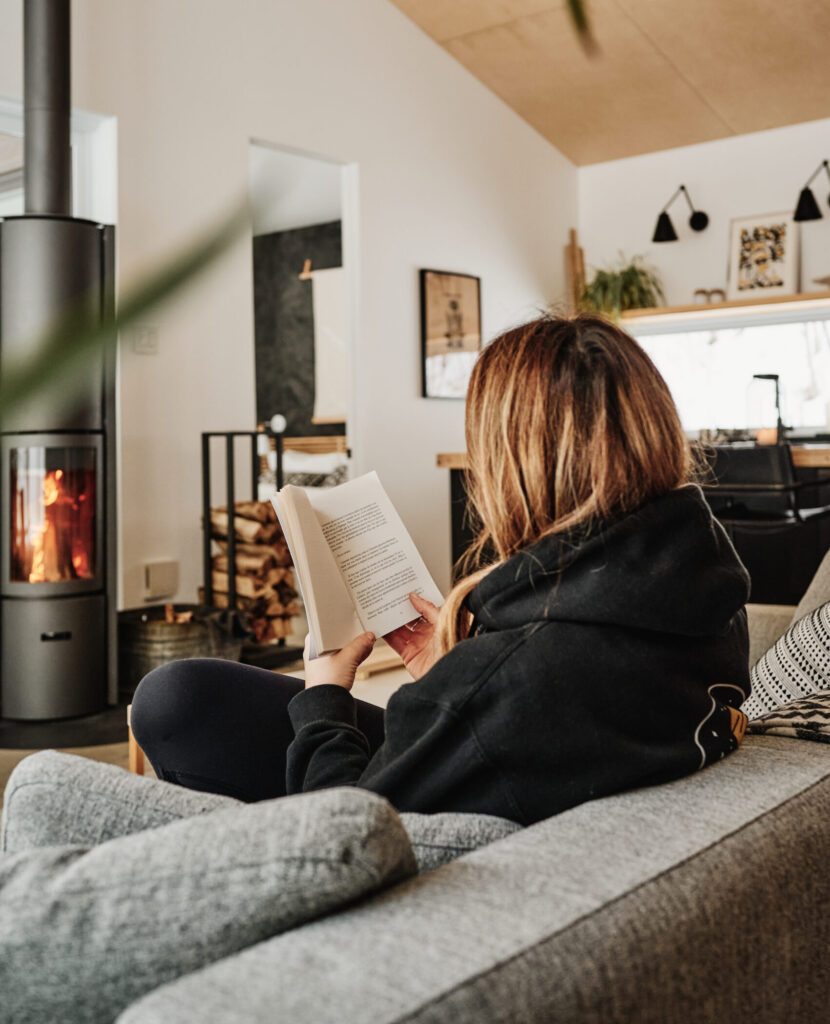
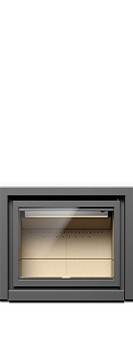
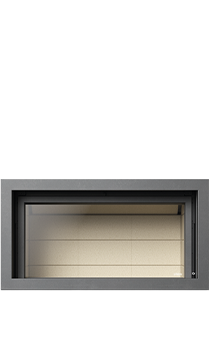
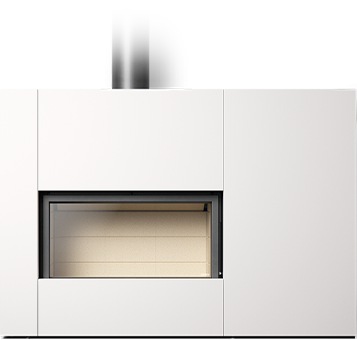
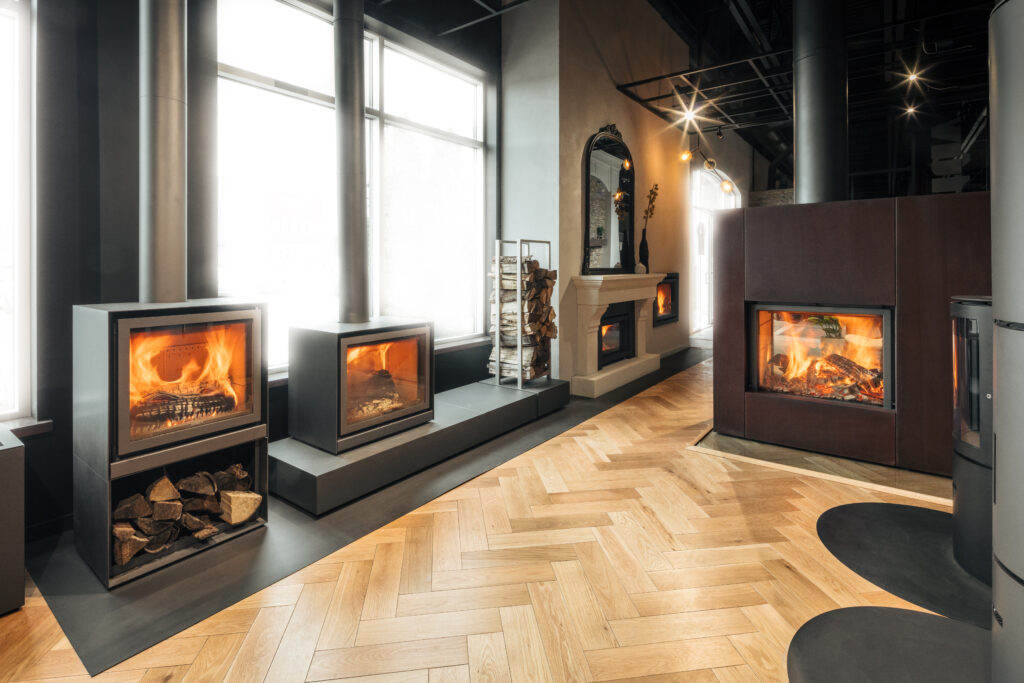
The main types of wood-burning appliances include wood stoves, fireplace inserts and zero-clearance fireplaces. Each is suited to a different type of installation and project.
Wood stove
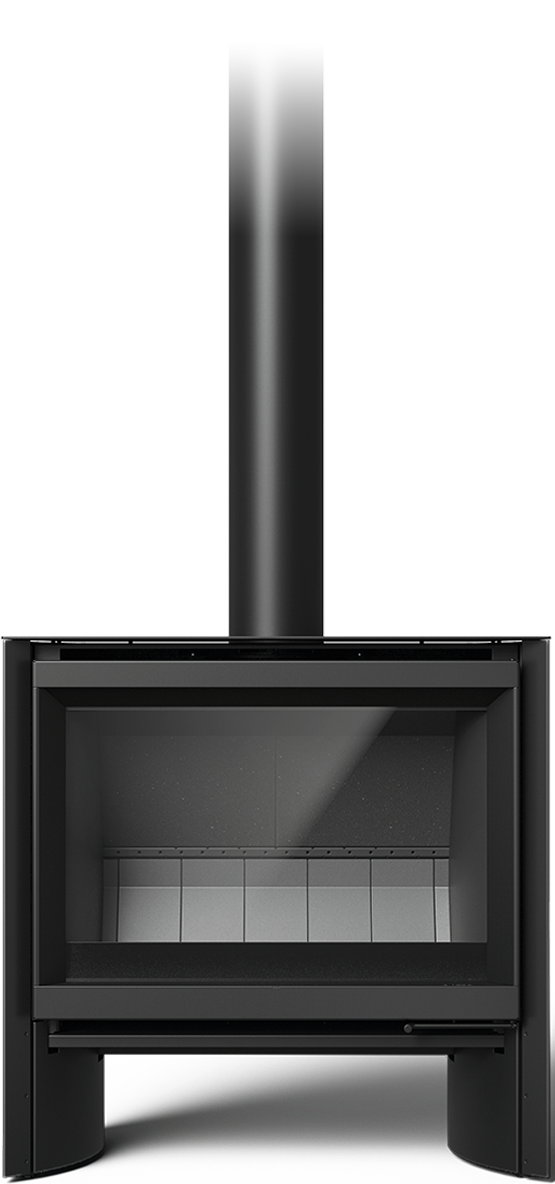
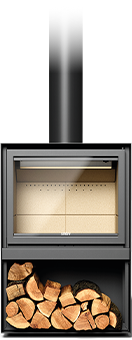
A wood stove is a freestanding appliance that can become a central feature of a room. It is particularly well suited to projects where you want to make the fire an integral part of your living space.
Fireplace insert
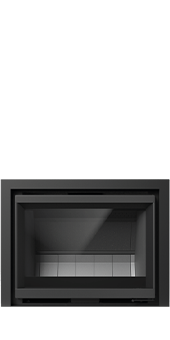
A fireplace insert is designed to be installed into an existing structure, such as a masonry fireplace. It can be a practical solution for replacing an older appliance and upgrading an existing fireplace.
Zero-clearance fireplace
A zero-clearance fireplace offers greater flexibility for new construction and renovation projects. It can be framed and finished around the appliance, allowing it to integrate seamlessly into the architecture of the room.
Before choosing a model, it’s important to make sure your home can accommodate the type of appliance you’re considering. Installation must take into account required clearances, the chimney, applicable local codes and the configuration of your home. Depending on the project, an outside air intake may also be required or recommended. Location matters too. An appliance installed in an open-concept space will perform differently from one installed in a more compartmentalized home. Ceiling height, adjacent rooms and airflow can all influence how heat moves through the house.
The takeaway: installation isn’t something to figure out after choosing your appliance. It’s part of the decision.
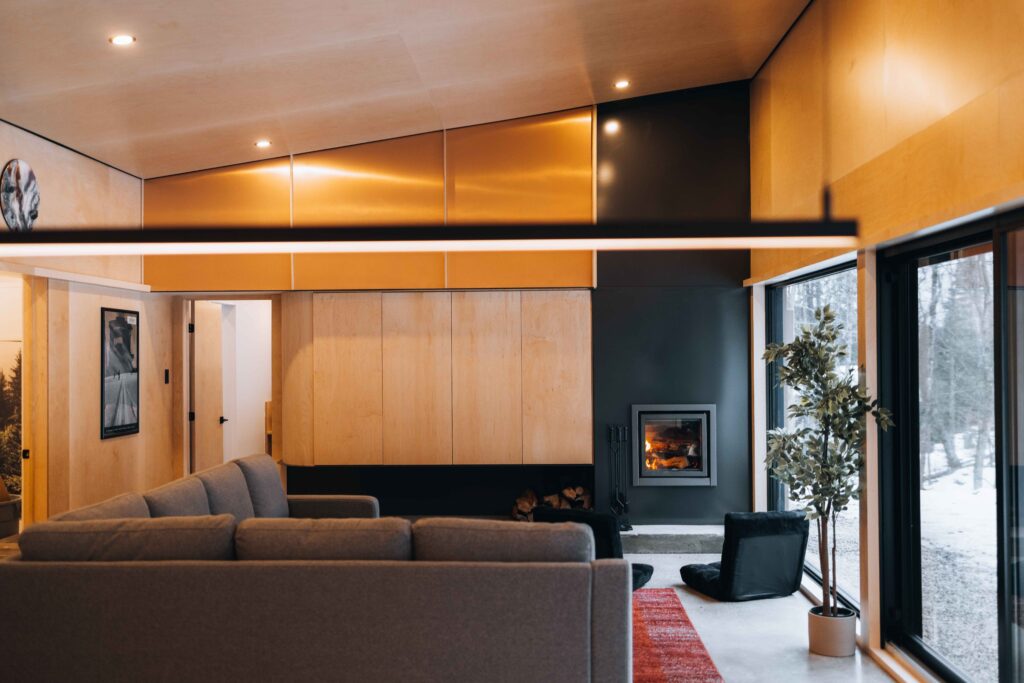
More powerful doesn’t necessarily mean better. The appliance’s heating capacity should match the needs of your home. An appliance that is too powerful can produce excessive heat in the room and make it less comfortable to use. An undersized appliance, on the other hand, may not provide the heat you’re looking for.
Several factors should be considered when determining the appropriate heating capacity:
Square footage alone isn’t always enough to determine the ideal heating capacity. The right appliance is one whose heating capacity matches the actual needs of your home.
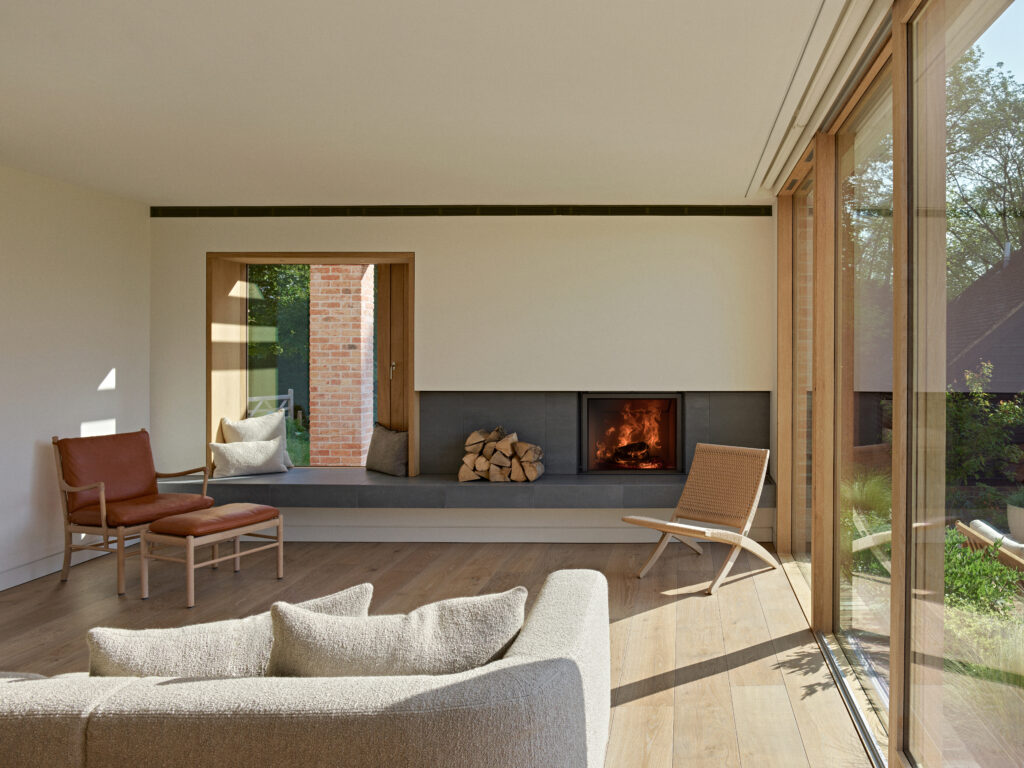
Once the technical considerations have been established, choosing an appliance also becomes a question of experience. How do you want to see the flames? How much presence do you want the appliance to have in the room? Do you prefer a more discreet design or an architectural feature that draws attention? Design, proportions, materials, finish and the view of the fire can all influence your choice.
It’s also worth considering how you’ll use the appliance day to day. Ease of use, access to the firebox, wood loading and maintenance all contribute to the long-term experience. A wood-burning appliance is both a source of heat and an integral part of your living space.
1. What are you looking for in your appliance?
Heating, ambiance, a view of the flames or a combination of all three?
2. Which type of appliance is right for your project?
Wood stove, fireplace insert or zero-clearance fireplace?
3. Can your home accommodate it?
Consider clearances, the chimney, local codes and installation requirements.
4. How much heating capacity do you need?
Look at your home as a whole, not just its square footage.
Résidence des Cimes – A permanent connection with nature The Cimes Residence embodies much more than just a mountain chalet; it is a bespoke second home designed for a family of four, where every detail reflects the needs, desires, and passions of its inhabitants, while seamlessly integrating into its natural environment. From the initial […]
Echo series 03 Featuring Corey Fitch, from BuiltWell [1] Can you describe your project? Revamping a 1954 fireplace that had been severely neglected and returning it to a focal point and center for the home. [2] What made you choose to install a wood-burning stove in your home? I encourage all of my clients to go all […]